
Right For Education

Empowering Minds: The Fundamental Right to Education
In a world where knowledge is power, access to education is not just a privilege but a fundamental human right. The right to education, enshrined in international treaties and constitutions worldwide, serves as a cornerstone for building equitable societies and empowering individuals to reach their full potential. Yet, despite its universal recognition, millions of children and adults around the globe are still deprived of this basic right.
Education is more than just reading, writing, and arithmetic; it is the key to unlocking opportunities, challenging inequalities, and breaking the cycle of poverty. When individuals are equipped with knowledge and skills, they become active participants in their communities, capable of driving social, economic, and political change. Education fosters critical thinking, creativity, and empathy, laying the foundation for a more just and sustainable world.
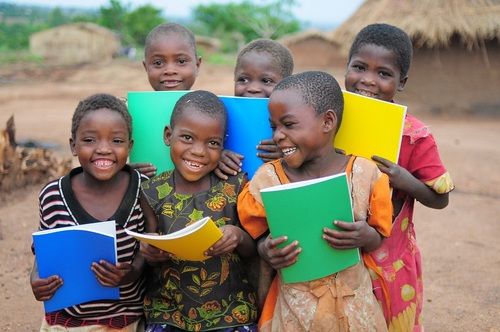
However, the realization of the right to education is far from universal. In many parts of the world, barriers such as poverty, discrimination, conflict, and lack of infrastructure prevent millions of children from accessing quality education. Girls, in particular, face unique challenges, including child marriage, gender-based violence, and cultural norms that prioritize boys’ education. Moreover, marginalized groups such as refugees, persons with disabilities, and indigenous communities often face additional barriers to education.
Ensuring the right to education requires a concerted effort from governments, civil society, and the international community. It involves not only providing access to schools but also addressing underlying issues such as poverty, discrimination, and inequality. Quality education must be inclusive, equitable, and relevant to the needs of all learners, regardless of their background or circumstances.

Investing in education is not just a moral imperative but also a sound economic investment. Studies have shown that countries with higher levels of education tend to have stronger economies, lower rates of poverty, and greater social cohesion. Education empowers individuals to contribute meaningfully to society, driving innovation, productivity, and sustainable development.
As we strive to build a brighter future for generations to come, we must prioritize the right to education as a fundamental human right. This requires political will, financial investment, and a commitment to equity and inclusion. Every child deserves the opportunity to learn, grow, and fulfill their potential. By upholding the right to education, we can create a world where knowledge knows no boundaries and every individual has the chance to thrive.
In conclusion, the right to education is not just a legal obligation but a moral imperative. It is the foundation for a more equitable, prosperous, and peaceful world. Let us work together to ensure that every child, regardless of their circumstances, can exercise this fundamental right and shape a brighter future for themselves and their communities.